Electric Car Tax Per Mile From 2028 Explained
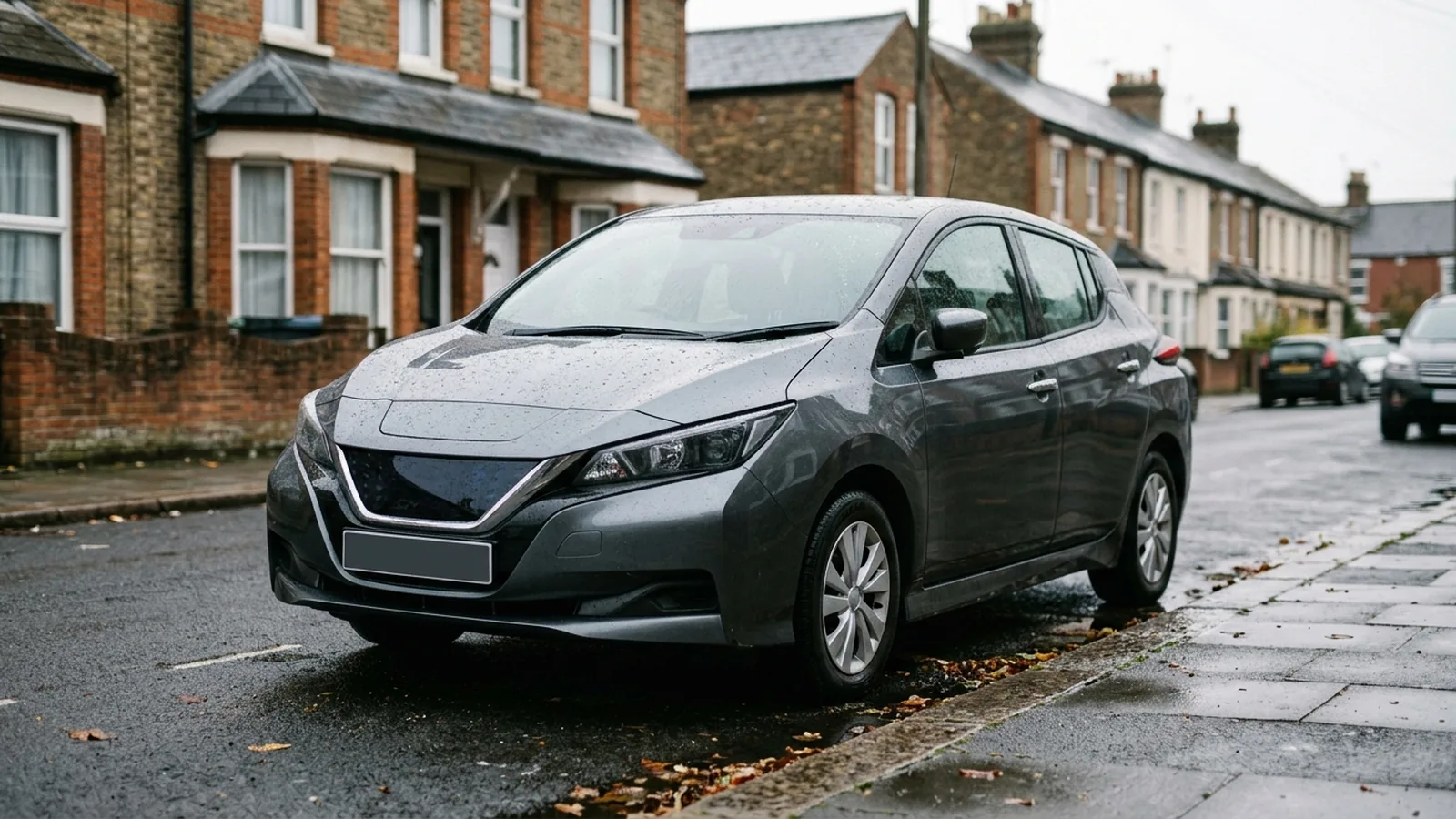
As of October 2026, electric cars and plug-in hybrids registered in the UK are set to pay a tax based on the miles they cover, starting on 1 April 2028. The planned rate is 3p per mile for battery electric and hydrogen cars, and 1.5p per mile for plug-in hybrids. The charge covers cars already on the road, so a used electric car bought today will be affected too.
The rules are not law yet. The government published its response to the consultation on 13 July 2026, and the measure still needs primary legislation, so the details could change.
Key points
- From 1 April 2028: 3p per mile for battery electric and hydrogen cars, 1.5p per mile for plug-in hybrids.
- The charge covers cars already registered, not only new ones.
- You pay when you first renew vehicle tax after April 2028.
- From 2029 to 2030 the rates rise in line with inflation.
- The measure is not yet law, so check GOV.UK for the final rules.
What the rates cost in practice
| Car type | Rate per mile | Yearly cost at 8,000 miles | Yearly cost at 12,000 miles |
|---|---|---|---|
| Battery electric or hydrogen | 3p | £240 | £360 |
| Plug-in hybrid | 1.5p | £120 | £180 |
These figures are simple sums of the planned rates, not a full bill. Because the charge is per mile, a car that covers 5,000 miles a year pays less than one that covers 15,000.
Who pays, and when
The plan covers UK-registered battery electric, plug-in hybrid and hydrogen cars. Existing cars are included. Drivers pay when they first renew vehicle tax after April 2028.
That means if you buy a used electric car now, the charge will apply from its first vehicle tax renewal after April 2028. Build it into your running costs from that point.
How mileage is worked out
The government has set out the process in outline:
- You give the car’s odometer reading and estimate how far you will drive over the coming year.
- You can pay upfront based on that estimate, or spread the payments across the year.
- The odometer reading at the end of the year is used to check the figures. The published page does not explain this step in detail.
- Where a car has an MOT, the government plans to use MOT mileage records to check that the figures you give are consistent.
- The DVLA will run the scheme, with mileage reporting and payment built into the existing vehicle tax process.
What to do now if you are buying an electric or hybrid
- Work out your yearly mileage. Use last year’s figure as a starting point. At the planned 3p rate, 8,000 miles adds £240 a year to running costs from 2028.
- Check the mileage history of a used car. The MOT history service on GOV.UK lists past test results and the mileage recorded at each test for cars going back to 2005. Because the government plans to use MOT mileage data, a clean and consistent record is worth having. A mileage figure that goes down between tests is a warning sign.
- Look up the car’s official record. The DVLA vehicle enquiry service shows the tax and MOT expiry dates, year of manufacture, engine size, CO2 emissions and fuel type, using the registration number.
- Compare total running costs. When you put a plug-in hybrid next to a petrol car, include the per-mile charge alongside fuel, insurance and servicing.
- Wait for the final rules if the choice is close. The rates could change once the legislation is published.
Common questions
Does it apply to cars I already own?
Yes, under the current plan. UK-registered battery electric and plug-in hybrid cars already on the road are included. The charge starts at the first vehicle tax renewal after April 2028.
Is the 3p rate final?
Not yet. The figures come from the government’s plans, and the rules still need to pass into law. From 2029 to 2030, the rates rise in line with inflation.
Do plug-in hybrids pay less?
Yes. The planned rate is 1.5p per mile, half the rate for battery electric and hydrogen cars.
Is there a refund if I pay too much?
The published policy page does not yet set out a refund or hardship route. Check GOV.UK once the legislation is published.
Does the charge apply to vans?
The policy as published on GOV.UK describes cars, not vans. Check the final rules if you run a van.
If you are shopping for a used electric or performance car
If you are comparing premium used cars, rstmotorgroup.co.uk brings listings from private sellers and independent traders into one search, so you can compare prices in one place. The site says it does not verify listing details, so run the checks above before you agree to buy.
Tax rules change, so treat these figures as a guide. For your own position, check GOV.UK or speak to a qualified tax adviser.